

Conversion instructions below
Go Ad-Free with ezyZip Pro!
No ads. No file size limits. ezyZip Pro includes downloadable desktop apps for archives, media, and images.
How to extract sound track from mvi files?
- Choose your file. To select the mvi file, you have two options:
- Click "Select mvi file to extract" to open the file chooser
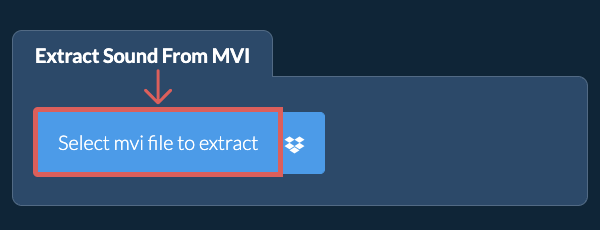
- Drag and drop the mvi file directly onto ezyZip
Click "Select mvi file to extract" to open the file chooser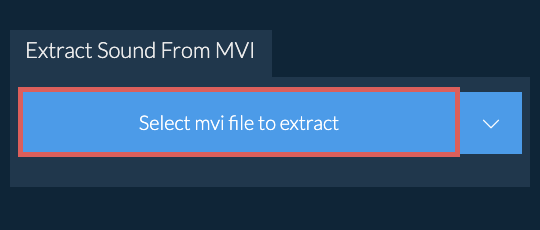
- Extract the audio.Click "Extract audio". It will start the conversion process which will take some time to complete.

- Save the audio file.Click on "Save Audio" to save the extracted sound file to your selected destination folder.

- Select from DropboxClick the down arrow (▾) next to the MVI file selection button, then choose "Select from Dropbox".

- Pick your filesA small ezyZip window opens. Click "Continue to Dropbox", sign in to Dropbox if asked, then pick what you want to convert.
- Follow the instructionsezyZip downloads the MVI file(s) into your browser. Then follow the instructions above.
- Save to DropboxWhen your file is ready, click the down arrow (▾) next to the save button and choose "Dropbox". The first time, Dropbox asks you to allow ezyZip access.
Files are saved in the /Apps/ezyZip folder.
- Select from Google DriveClick the down arrow (▾) next to the MVI file selection button, then choose "Select from Google Drive".
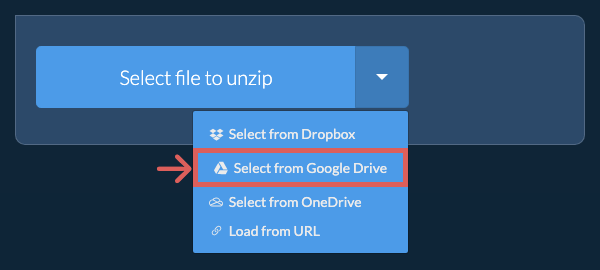
- Sign in and pick filesA Google Drive window opens. Sign in to Google if asked, allow ezyZip to access the files you choose, then pick what you want to convert.
- Follow the instructionsezyZip downloads the MVI file(s) into your browser. Then follow the instructions above.
- Save to Google DriveWhen your file is ready, click the down arrow (▾) next to the save button and choose "Google Drive". Sign in to Google if asked.
Files are saved in the My Drive/ezyZip folder.
- Select from OneDriveClick the down arrow (▾) next to the MVI file selection button, then choose "Select from OneDrive".
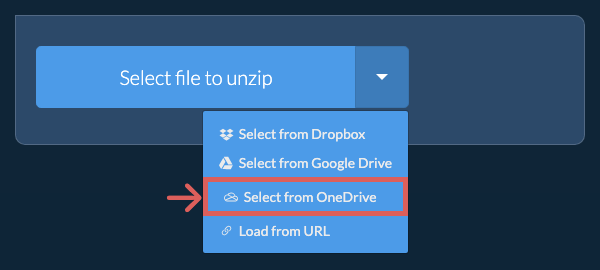
- Sign in and pick filesA OneDrive window opens. Sign in with your personal Microsoft account if asked and allow ezyZip access, then pick what you want to convert.
- Follow the instructionsezyZip downloads the MVI file(s) into your browser. Then follow the instructions above.
- Save to OneDriveWhen your file is ready, click the down arrow (▾) next to the save button and choose "OneDrive". Sign in with your Microsoft account if asked.
Files are saved in the Apps/ezyZip folder.
Frequently asked questions
We are continuously updating the system, so ensure you are using the latest version of one of the popular browsers or their variants. (e.g. Chrome, Firefox, Safari, Opera).
Please let us know via the feedback form if you have any issues.
ezyZip is a free mvi sound track extractor that runs in your browser. No need to install any additional converter software. It supports a myriad of other sound extractions too.
Unlike other online media conversion utilities, ezyZip does not require uploading files to a server. Use it as many times as you want, completely free. It runs locally as a browser app, thus making it much quicker than other online conversion tools. This also ensures your privacy will be protected as no file data will leave your browser.
ezyZip processes files directly in your browser. Unlike most online tools, your files are not uploaded to our servers, which means faster processing and better privacy. Take a look at the feature comparison below and we think you'll agree that ezyZip is the better choice for your file conversion needs.
| Feature | ezyZip | Other Online Tools |
|---|---|---|
| No Software Installation | Works Directly in Browser | Works Directly in Browser |
| Processing Location | Your Browser (No Upload) | Their Servers (Upload Required) |
| Privacy & Security | 100% Private (Files Never Leave Your Device) | Files Uploaded, Accessible by Others |
| Processing Speed | Fast (No Upload/Download Time) | Slow (Upload + Process + Download) |
| Registration Required | Never | Often Required for Large Files |
| Works Offline | Yes (After Page Load) | No |
| Media Format Support | 200+ Audio/Video Formats | Limited (MP4, MP3 only) |
| Output Quality | Clean Output, No Watermarks | Watermarks Added |
| File Size & Usage Limits | 1GB Files, Unlimited Usage | 100-200MB, Daily Limits |
| Cost | 100% Free | Free with Limitations / Paid Tiers |
| Established | Since 2009 (15+ Years) | Recent (May Disappear) |
Why client-side audio extraction from MVI video is faster
ezyZip extracts audio from MVI video files using a WebAssembly-compiled media engine. Here is why local audio extraction is faster:
- Stream Copy When PossibleThe engine demuxes the video container and isolates the audio stream without a full video decode when the audio codec is compatible, completing in a fraction of the time a full transcode requires. For example, extracting AAC audio from an MP4 video can complete in seconds since no re-encoding is needed.
- 200+ Container FormatsOver 200 container formats are supported through the comprehensive compiled codec library. Whether your source is MP4, MKV, AVI, MOV, WebM, or a less common container, the engine can locate and extract the audio track.
- Dedicated Worker ThreadThe entire operation runs in a dedicated Web Worker, keeping your browser responsive during processing. Progress tracking shows demuxing and encoding stages separately so you can see exactly what the engine is doing.
- Multi-Track SelectionFor video files containing multiple audio tracks (different languages, commentary tracks, etc.), the engine lets you select which track to extract rather than blindly pulling the first one. Track metadata like language and codec type are displayed for informed selection.